Start with the surface, not the scoreboard
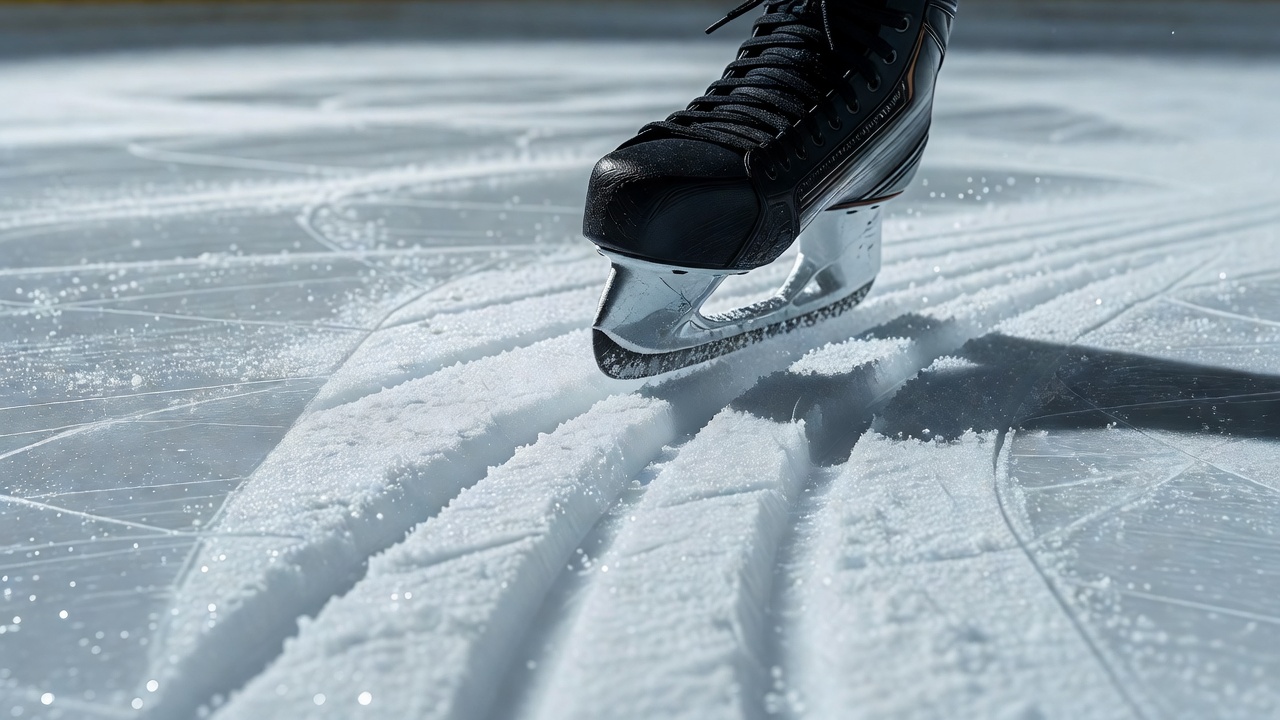
A rink surface is made for repeated contact. Skates cut into it, pucks travel across it, and players use friction to accelerate, stop and turn. When someone describes ice as fast or soft, they are describing an experience produced by several conditions rather than a single dial. Surface temperature, ambient air, humidity, traffic, resurfacing practice and the construction of the ice all contribute to how it behaves.
That is why a useful facility conversation begins with observation. Does the sheet feel consistent across its length? Are there areas of roughness or standing water? Do players notice a change after a resurfacing break? These are sensible prompts, not a substitute for rink staff’s technical checks. Coaches can adapt a drill or communicate a concern; ice technicians manage equipment and operational parameters.
Rink teams use a resurfacer to remove a thin layer of damaged ice and lay down water that freezes into a renewed surface. The goal is a predictable playing area, but timing and conditions matter. Water application, blade condition on the machine, ventilation and the time available between sessions can affect the result. In busy buildings, resurfacing is part of a wider timetable that may include public skating, youth sessions, team practices and events.
Understand the blade-to-ice meeting
A skate blade has edges that engage the ice. Sharpening creates a hollow between those edges; the choice of hollow and the condition of the blade influence a player’s feel and control. Individual preference, body size, skating style and the demands of a session all matter. There is no universal sharpening choice that suits every athlete or every day. Consistent communication between player, coach and equipment staff is more useful than treating a single setting as a magic answer.
Visual inspection offers a basic routine. Look for nicks, rust or burrs, and notice whether the blade’s contact feels different from its usual state. A skate sharpener can inspect and service the blade. Athletes should not attempt unsafe adjustments with improvised tools. Similarly, a player’s report that the ice feels unusual should be specific: where it happened, when it was noticed and whether the concern followed a resurfacing or a particular period of traffic.
Those small observations link the equipment bench to the rink floor. A player may arrive with a blade that needs attention, while a coach may plan a drill that relies on tight turns. If the equipment and ice conditions are not considered together, a training task can be harder to interpret. The answer is not to blame a surface for every missed edge; it is to keep the conditions in view while assessing technique and decision-making.
Maintenance is a coordinated routine
Ice quality depends on infrastructure that visitors rarely see. Refrigeration equipment removes heat from the slab, and the building’s air handling helps manage temperature and moisture above it. Rink operators coordinate these systems with staffing, maintenance windows and the facility’s calendar. A training complex with several sheets may share equipment and crews, so the schedule must leave time for each surface to be prepared and inspected.
Humidity control is one reason a rink can feel different from the lobby or a strength room. Moist air meeting a cold surface can contribute to fog or condensation. Operators manage building conditions to maintain visibility and a comfortable working environment. The relevant lesson for athletes is simple: report visibility or surface issues promptly and follow facility instructions. A player should not enter a closed or actively maintained sheet because it appears ready from the boards.
Surface condition changes through a session. High traffic wears the top layer and creates grooves. A warm-up, a full practice and a later public session all place different demands on the ice. Staff consider how much time is available and what kind of use came before. In a development setting, that context can help a coach decide whether a drill should prioritize a clean edge, puck handling or decision speed, and whether it is appropriate to modify a plan.
Read the rink as a training space
The boards, doors, benches and entry routes form part of the environment too. Safe traffic flow reduces unnecessary crossings and keeps equipment organized. A well-marked practice can make it easier for players to recognize where a drill begins, where the next group waits and how to exit without colliding with another activity. These are modest design details, but they support attention and protect useful ice time.
Coaches can match practice objectives to the available surface. A skating pattern may need open lanes; a small-area exercise may need clear boundaries and close supervision. If ice is shared or a session is shortened, clarity about priorities matters more than trying to squeeze in every planned activity. The goal is an intentional session, not a maximum number of drills.
Parents and visitors can observe the setting without assuming they can judge a facility from a single glance. Ask how the ice is maintained, how concerns are reported, and how session schedules accommodate resurfacing. A thoughtful answer will identify the roles of rink operations, coaching staff and players rather than promise perfect conditions every time.
Carry the detail into the next space
Ice practice does not end when a player steps through the rink door. The route to the changing area, access to water, a place to remove equipment and time for a calm transition can affect the session’s finish. If the day includes strength training, the sequence should be planned with workload and recovery in mind. Coaches and qualified support staff should decide how activities fit together for the individuals they supervise.
The central idea is connection. Ice maintenance informs what a player feels; equipment care shapes blade contact; the drill uses those conditions; and feedback helps a coach interpret what happened. When the complex supports a clear handoff between these parts, the surface becomes one chapter in a broader training day—not an isolated attraction measured only by its size or number of sheets.